US college admissions data for international-school students tell a consistent story: year after year, the life sciences rank near the top of the majors they choose. That covers neuroscience, biomedical engineering and bioinformatics, along with biology-based fields such as molecular biology, biochemistry, genetics and pharmacology, which together draw an outsized share of students.
Korean students have always leaned toward medicine, science and engineering. Lately, though, they have gravitated more clearly toward majors that blend medicine with AI, data and engineering, and the universities where many Korean students enroll, including the University of California campuses, Johns Hopkins, Northwestern and NYU, are especially strong in them. As many students now put it, medical school or not, a bio major pays off.
Why bio majors keep growing
The popularity rests on real shifts in industry, not fashion:
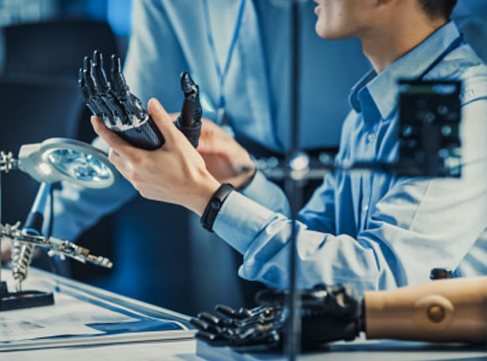
- Medicine has become a tech industry. AI diagnostics, robotic surgery and genome-based personalized medicine have carried health care well beyond the hospital, into the meeting point of biology, engineering and AI.
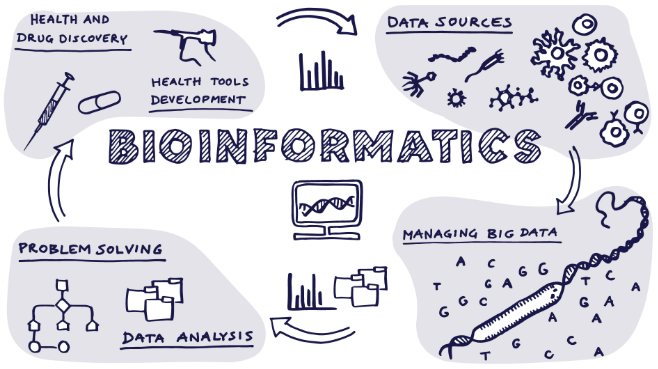
- Biological data is exploding. Human genome data, cancer genomics, protein structure prediction and medical big data have made bioinformatics, genomics and biostatistics some of the fastest-growing majors, and people fluent in both AI and biology are scarce.
- The industry is recession-resistant. Health care, pharmaceuticals, diagnostics and public health stay essential in any economy. Since the pandemic, countries have treated biomedicine as a strategic industry, and investment has risen sharply.
- It leads almost anywhere. Medical, dental, pharmacy or veterinary school; graduate study in the life sciences or engineering; pharmaceutical companies; AI health-tech startups; hospital research.
A bio major multiplies a student's options rather than narrowing them, which is why international-school students in Korea see it as a choice they can make with confidence.
1. Neuroscience
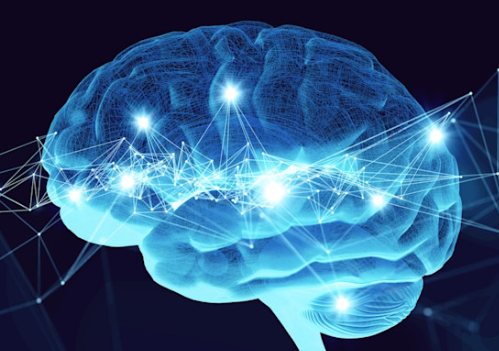
Neuroscience studies the brain and nervous system and the cognition and behavior they produce. It suits students who love psychology and biology equally, who wonder why people behave as they do, who are curious about where AI meets brain science, and who enjoy data analysis as much as lab work.