A lizard can regrow a lost tail. A planarian, a small flatworm, can rebuild its entire body. How animals regenerate, and what that reveals about the way our own cells repair themselves, is a question that runs through the work of Oxford biologist Aziz Aboobaker. For the 2025–26 winter break, CRI offered his course on stem cells, regeneration and genomics through the Winter Online Research Program.
Many of the biggest advances in biomedicine in recent years, including gene editing, stem cell therapies and personalized medicine, have come out of molecular biology. It is less a textbook subject than a science that is reshaping human health. For students weighing a future in medicine or biotechnology, working on the open questions researchers are chasing, rather than the settled facts of a curriculum, is a different kind of preparation.
Researcher, editor and teacher
Aboobaker is a professor in the University of Oxford's Department of Biology and is widely respected across the life sciences. He is also a Fellow and Tutor in Biological Sciences at Lady Margaret Hall, one of the university's colleges, where he works directly with the next generation of scientists.
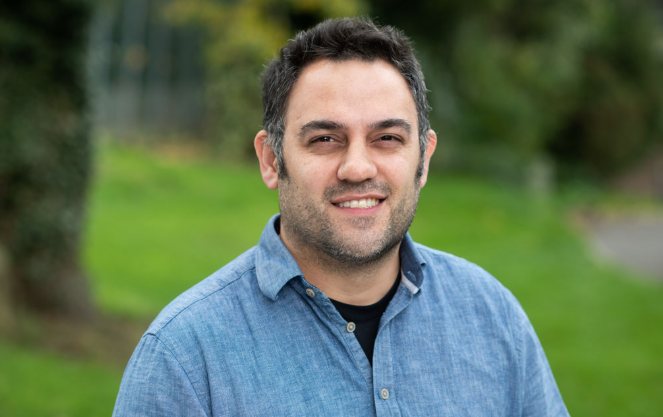
His standing in the field shows in the roles he holds beyond his own lab. He is an associate editor of PLOS Genetics, one of the journals that researchers in genetics and the life sciences trust most. Associate editors oversee the review of submitted studies, so he helps decide which work gets published and what standard it has to meet.
He has also served as a vice-president of the Genetics Society, helping to lead the UK's genetics research community. In the summer of 2023 he was a Whitman Fellow at the University of Chicago's Marine Biological Laboratory, studying the mechanisms that determine cell fate in Parhyale hawaiensis, a small marine crustacean.


