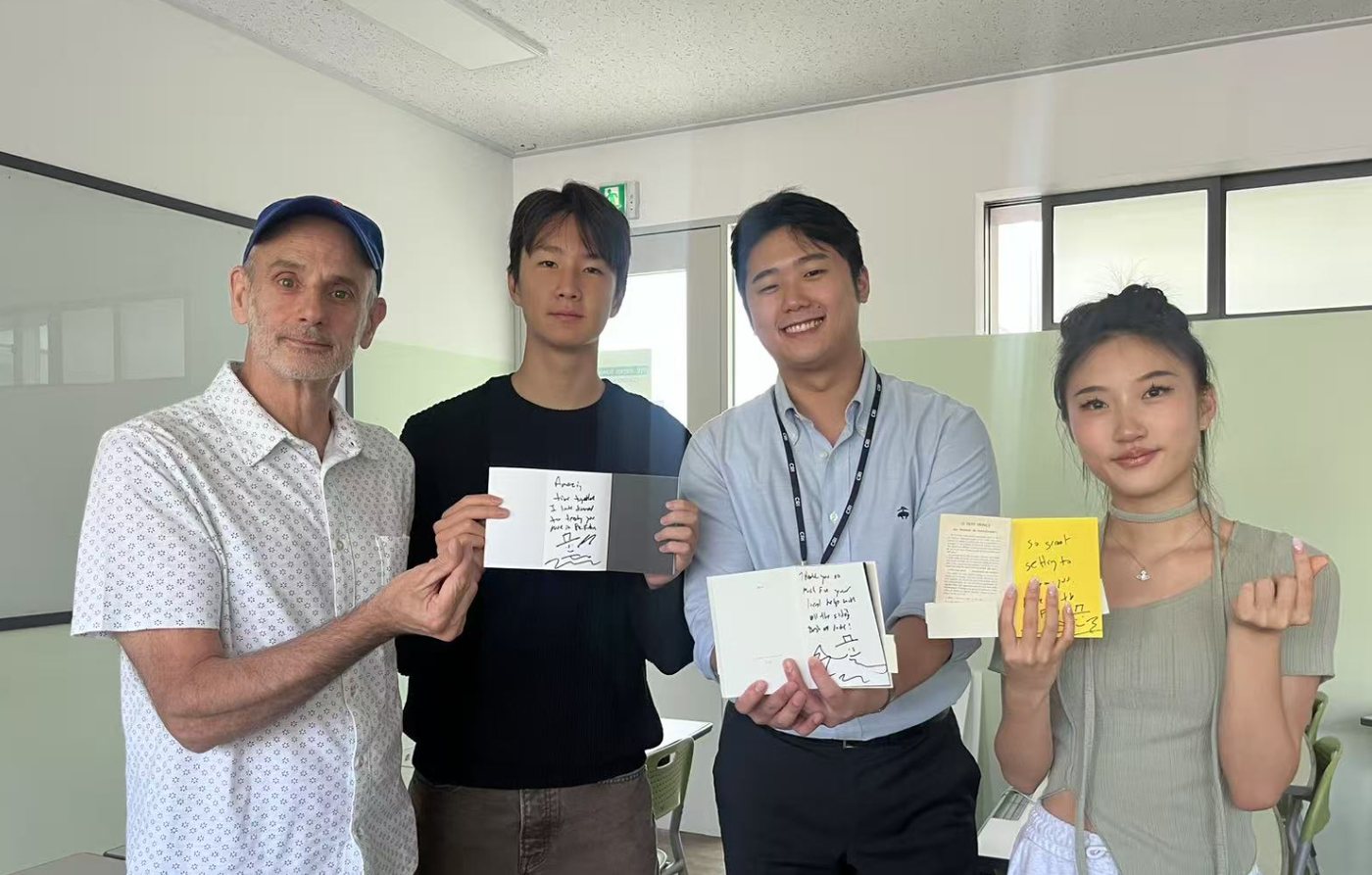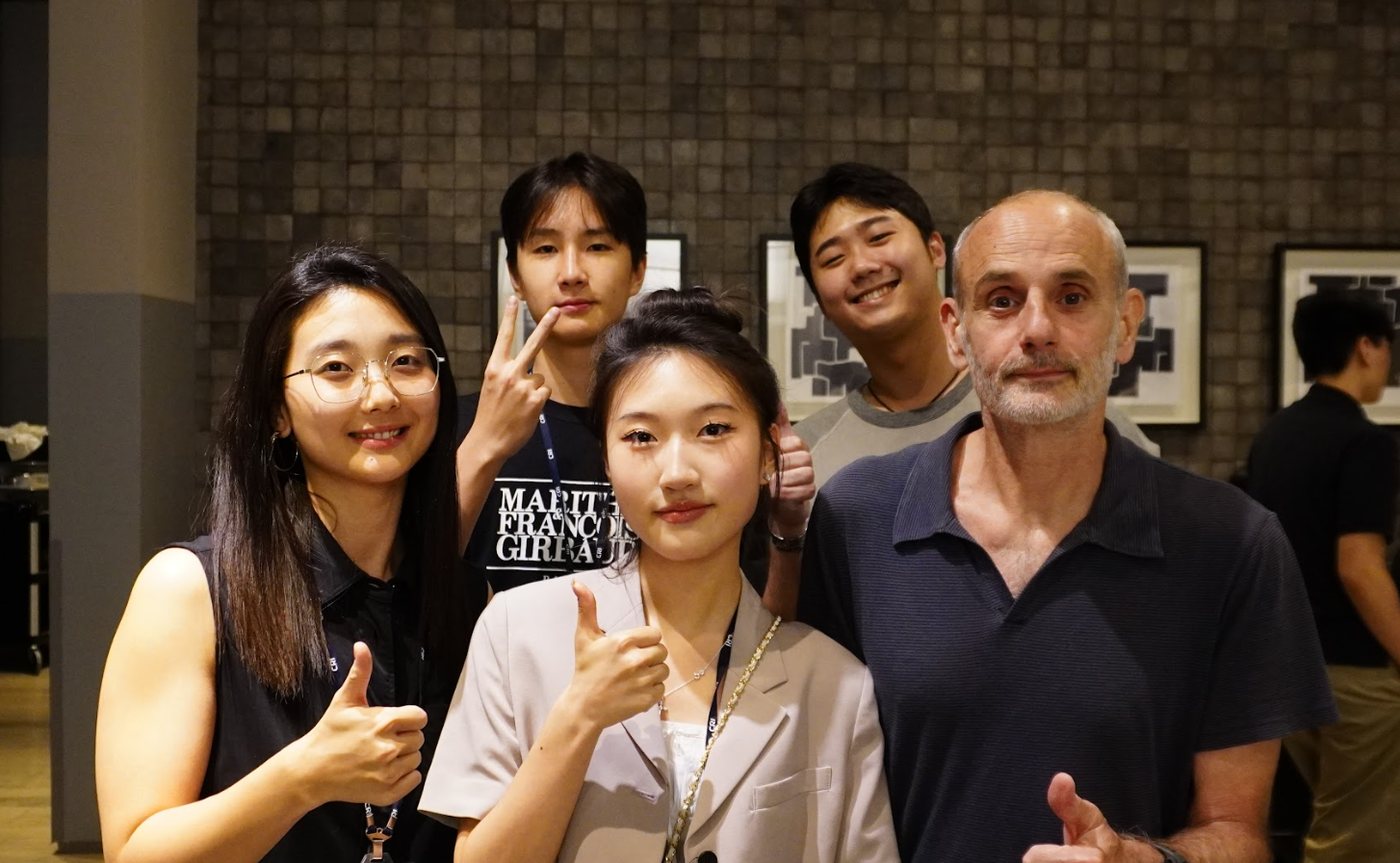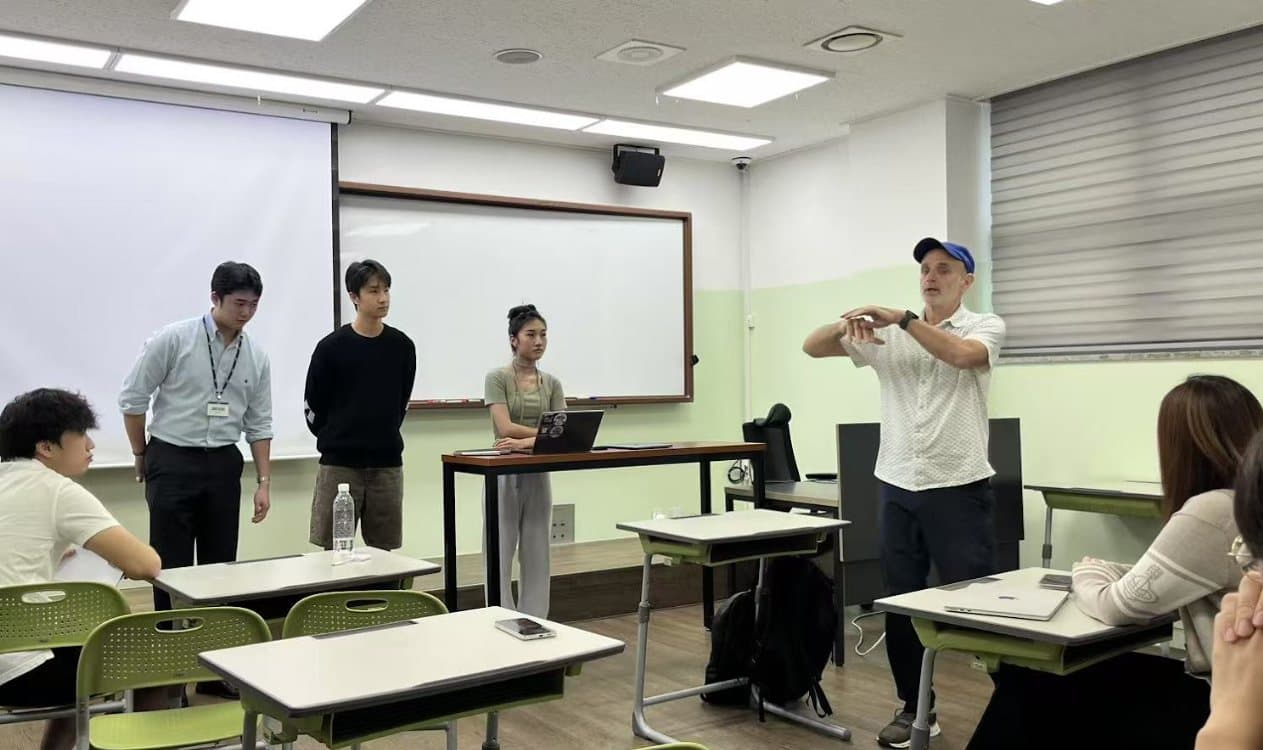
Most filmmakers remember the first time their own work played on a screen in front of an audience. Few get that moment in high school. James Savoca's summer directing course with CRI builds toward it: students take a film of their own from first idea to finished cut, then watch it play for the class and hear what a working director thinks.
An independent filmmaker who teaches at USC
Savoca is a directing professor at the University of Southern California's School of Cinematic Arts, with more than 20 years of experience directing films and writing plays. He began off-Broadway in New York and went on to build a reputation in American independent film with features such as Sleepwalk, which was selected for SXSW, and Around June. His films have also found wider audiences on Amazon Prime and Showtime.
At USC he has taught a range of directing courses, among them Production I, Directing Techniques, and Acting for Film & Television, and he designed a creative curriculum of his own, Lateral Thinking for Filmmaking. He has also taught directing and storytelling in Saudi Arabia, China, and San Francisco, and brings that international experience to the classroom as both a teacher and a filmmaker.
Three stages, one short film
The course treats directing as both an art and a craft, and it pushes each student to tell a story from their own point of view. It unfolds in three stages.
- A workshop on the essentials. The course opens with intensive lectures and hands-on practice in the core elements of directing: story structure, visual language, scene composition, and directing actors. Students break down scenes from existing films and try short shooting exercises, learning each element by using it.
- A personal short, developed step by step. Each student builds a concept for a three- to five-minute short film around an idea of their own, then develops it into a storyboard, a shooting plan, and a strategy for directing the actors. In one-on-one feedback sessions, Savoca works through the story's structure, its thematic depth, and how the film will be directed.
- Shooting, editing, and a premiere. Later in the course, students shoot their films and move into post-production. Finished cuts are screened at an in-class premiere, where Savoca and classmates give each film detailed feedback. Students finish with a polished piece for their portfolio.