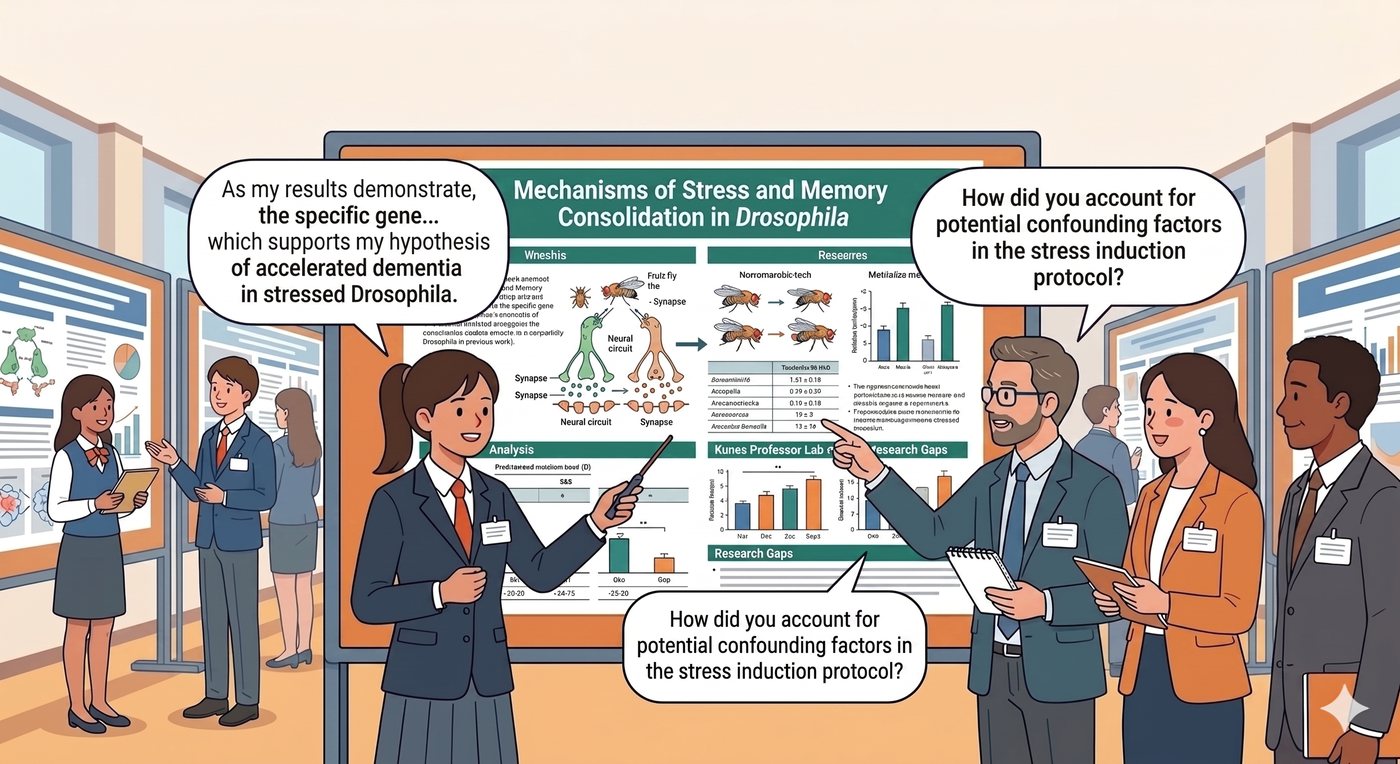
Students headed for pre-med or the life sciences know the feeling: the school lab experiment already has its answer in the textbook, and the report looks like everyone else's. Sooner or later they ask, couldn't I dig into something I actually want to know? Harvard professor Samuel Kunes's track in CRI's Seoul Research Program starts from that question. Over ten days, students read the research literature on memory, sharpen their own questions into hypotheses, and write a group paper on how memory forms and how it fails in disease.
Beyond the high school textbook
Admissions officers at top US universities and medical schools have read about cell structure and mitochondria in countless applications. What they hope to find is intellectual vitality: the drive to ask a question with no ready answer and keep pursuing it with academic rigor.
A Harvard professor does not fly to Seoul to reteach high school biology. From the first class, students set the high school label aside and are treated like the newest junior researchers in Professor Kunes's lab.
Who teaches it
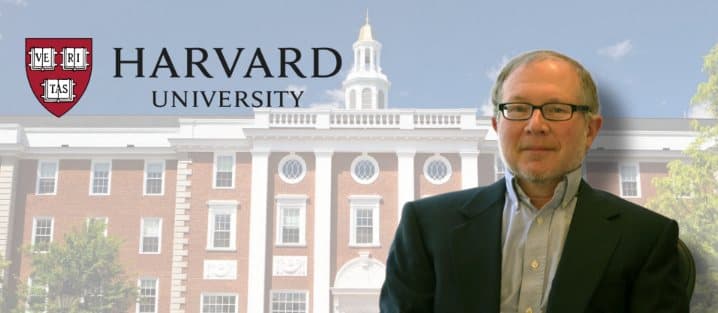
Samuel Kunes is a professor in Harvard University's Department of Molecular and Cellular Biology, where he studies neuroscience and the formation of memory. He earned a bachelor's degree in chemistry at the University of Oregon and a PhD in genetics at MIT in 1988.
His lab uses the fruit fly, Drosophila, to study how neural circuits relate to behavior. He has paid particular attention to Hedgehog signaling, the development of the visual system, and how visual experience is stored as memory in the brain. His work has identified molecular pathways central to long-term memory, and he has published widely in leading journals. Key papers include:
- A 2006 paper in Cell on synaptic protein synthesis and the memory-related RISC pathway
- A 2004 paper in PNAS on how neural connections form
At Harvard he has long taught core courses on brain development and plasticity (MCB 129), developmental neurobiology, and the structure and function of the nervous system. He is also committed to research education for younger students and co-founded BioResearch Academy, a program that gives high school students experience in advanced biology research under a Harvard professor's guidance.