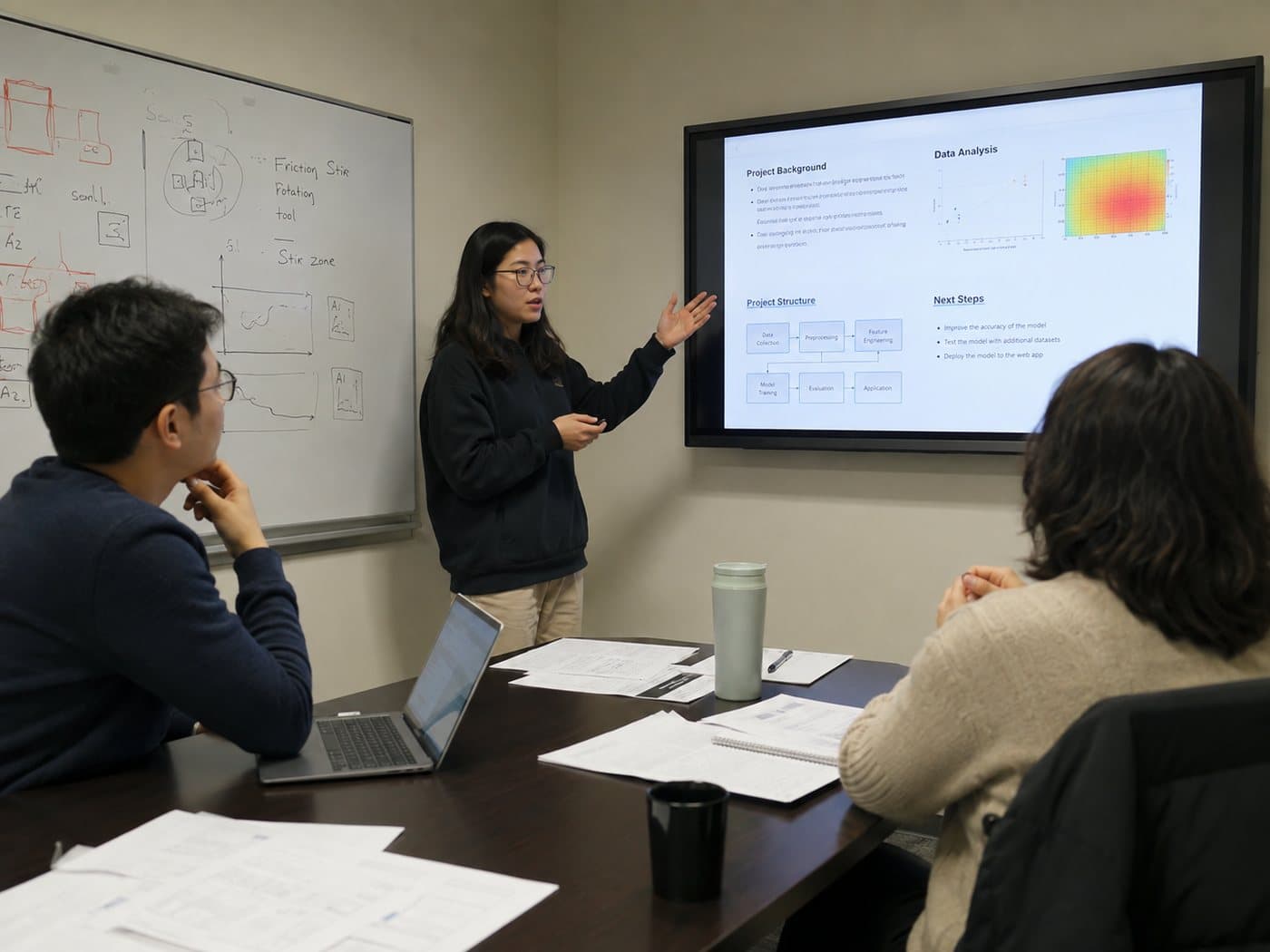
"Will the professor really work with each student?" Many parents and students ask CRI exactly this, and it is a fair question. Anyone familiar with university research knows that professors are stretched thin, that labs are full of graduate students, and that "mentoring" means something different in every program. So rather than sidestep the question, let's start with it.
The doubt is well founded
The data bears this out. A 2024 research-environment survey by the student council at KAIST, one of Korea's leading research universities, found that professors spend only about one to two hours a week, on average, directly advising each graduate student. One-on-one time is especially scarce:
| Weekly one-on-one time with an advisor | Share of respondents |
|---|---|
| No individual meetings | 15.6% |
| Under 15 minutes | 25.4% |
| 15 to 30 minutes | 23.1% |
| 30 to 45 minutes | 17.1% |
| 45 to 60 minutes | 8.5% |
| An hour or more | 9.6% |
Source: KAIST student council, 2024 Research Environment Survey (all respondents).
Group meetings add some time, with the most common answers falling between 30 minutes and an hour and a half a week, but 12.8% of respondents said they had no group meetings at all. Asked whether their advisor devotes enough time to advising them, about half (50.2%) agreed, and 23.4% disagreed.
None of this means professors are careless. Quite the opposite. They are juggling research, teaching, administration, peer review and conference work at the same time, and the system simply leaves little room to give each student enough attention. That leads many families to a sensible follow-up: if this is how much guidance graduate students get, can research by high school or undergraduate students really work? Asking that isn't cynicism. It's realism.