Spend time in any international-school community and the same questions keep coming up. How do you prove to a college that your interest in a field is real? Will an IB or American curriculum leave you short on research experience? And where is the "real story" that essays and recommendation letters are supposed to tell going to come from?
CRI's answer is depth. Strong grades are the starting point for competitive applicants; what increasingly sets them apart is how far they have taken their curiosity. CRI's research programs are built to develop exactly that, and in interviews with CRI, summer participants described four things that made the experience different.
1. Professors most students never meet
The first reason students give is the faculty. CRI's professors come from universities such as Oxford, MIT, Caltech, Penn, and UChicago: scholars most high school students never encounter, even at college information sessions. Programs that let students spend their summer doing research alongside faculty like these are rare.
"It's not often that a high school student gets to meet professors like these and learn from them directly." — A summer participant
Another participant recommended the program "for the all-star faculty alone." A third pointed to the chance at a recommendation letter and publication as a strength when applying to college.
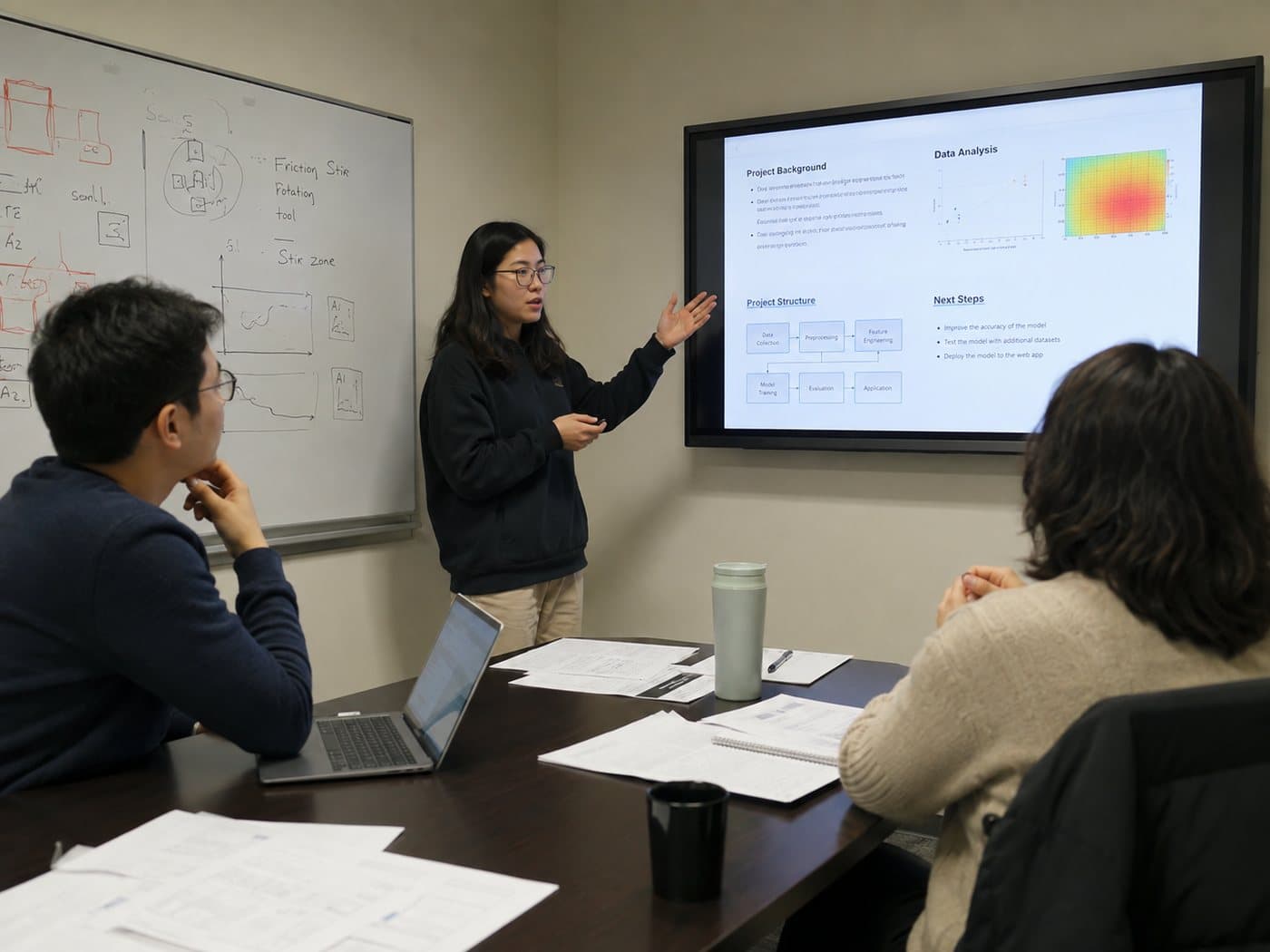
And students do more than listen. They design a paper with their professor, have their research design reviewed, and produce the results themselves.
2. A faculty match built on your interests
Before a program begins, CRI matches each student to the faculty team that best fits their interests, academic level, and goals. The matching works for students who have already settled on a major and for those who haven't.
"I was originally interested in education policy, but because I lean toward quantitative analysis, I was matched to the economics track. It actually turned out to fit my interest in political science better." — A summer participant
Being new to a field is no barrier. Another participant arrived knowing nothing about international law and, through the classes and help from the TAs, worked from the fundamentals all the way to case studies. A third said that even when a student's interests don't line up with the topics on offer, the depth of support is on another level.