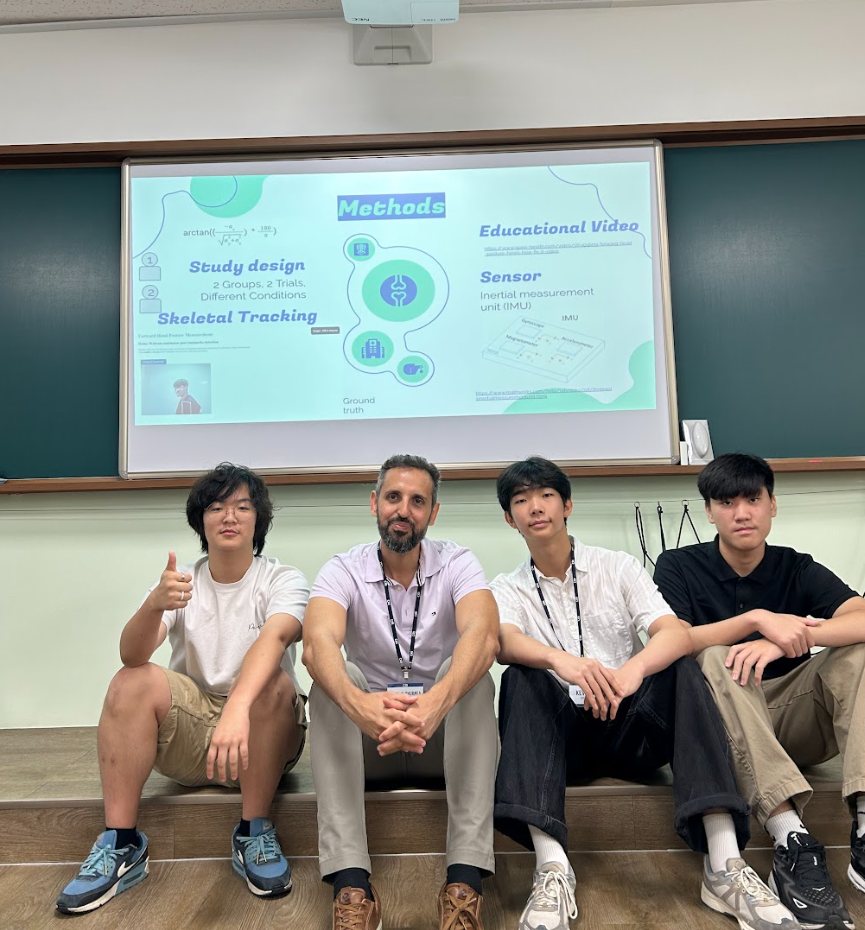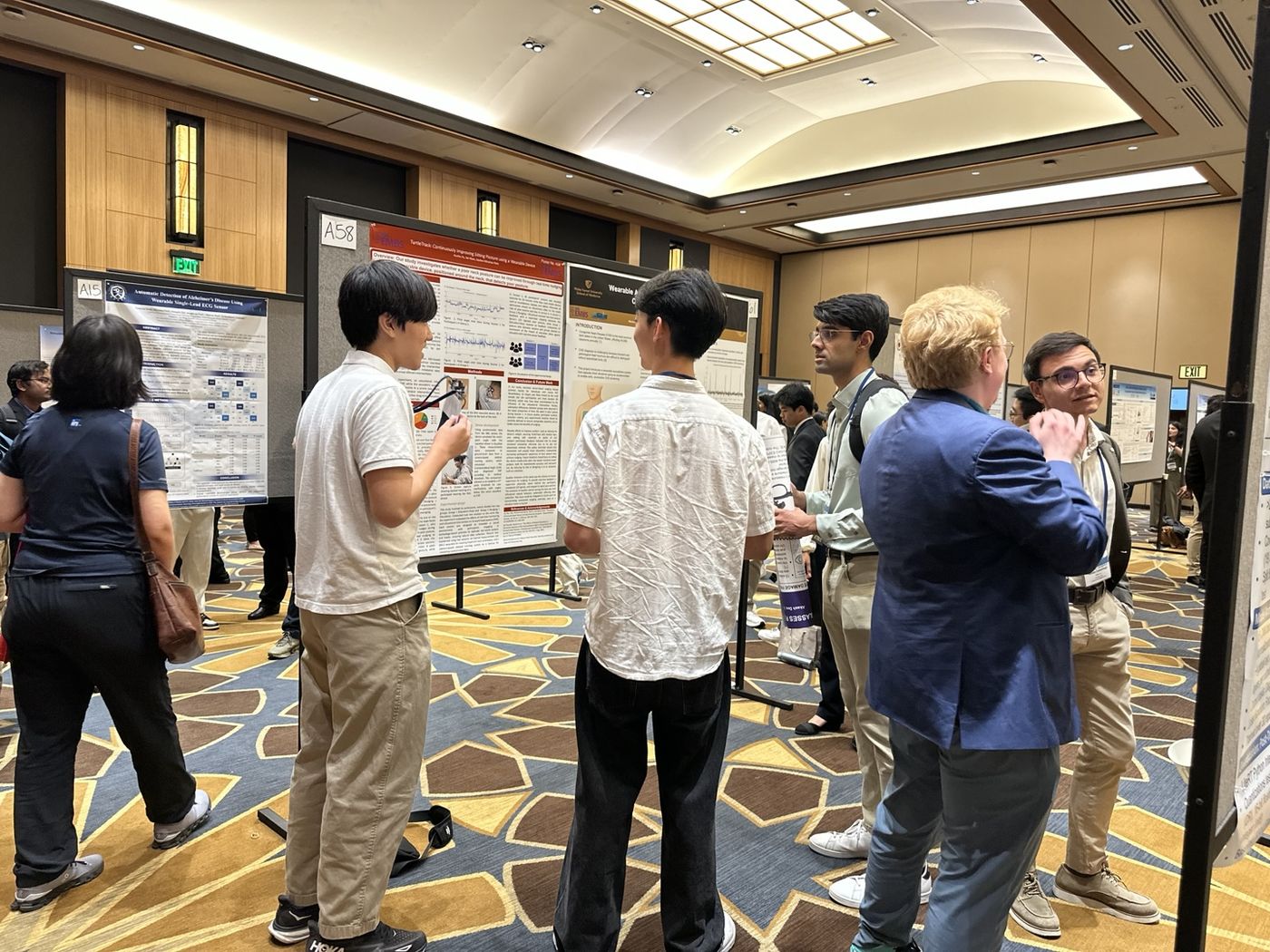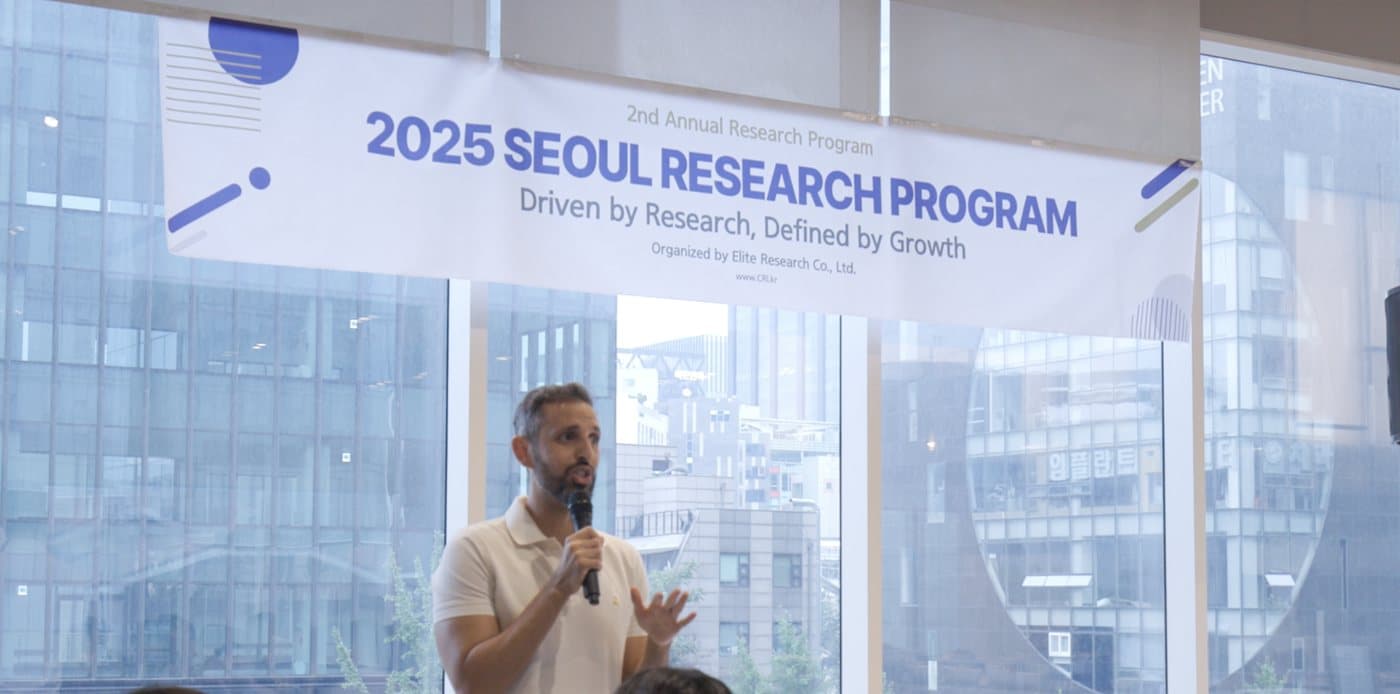
Plenty of students headed for pre-med, computer science, or bioengineering can point to a health-monitoring app they built after a summer coding class. Far fewer have assembled a sensor, fought its signal noise, and watched it read a live heartbeat. That second kind of work is the focus of Northwestern University professor Nabil Alshurafa's track in CRI's Seoul Research Program: ten days of building wearable health sensors, collecting real physiological data, and turning students' own questions into a group research paper.
Why the course starts with hardware
Applications from aspiring doctors and engineers tend to look alike. Students memorize disease mechanisms for biology class, then use the coding they already know to build a generic health app for a research report. Many sense the limits of that work: an app that only runs on a screen rarely comes close to preventing a real illness.
What top US universities and medical schools look for, in CRI's view, is intellectual vitality: students who connect the body's signals and behavior to hardware sensors, think through a system that could predict disease, and ask their own questions. The course is built to develop exactly that habit of mind.
Who teaches it
Nabil Alshurafa earned his bachelor's, master's, and PhD at UCLA, studying computer science and artificial intelligence. He is a tenured associate professor at Northwestern, with appointments in Preventive Medicine at the Feinberg School of Medicine and in Computer Science and Electrical and Computer Engineering at the McCormick School of Engineering. He is also a Senior Member of the IEEE.
- Wearables. He has won several million dollars in research funding from the National Institutes of Health and leads large projects funded by the NIH and the National Science Foundation as principal investigator. He builds devices such as FaceBit, a smart face mask, and NeckSense, a necklace that tracks eating habits.
- Behavior prediction. His HABits Lab develops AI-based systems that use wearable sensor data to measure and predict behaviors such as stress, overeating, and poor posture.
- Publications. His research has appeared in leading journals and conferences, including , ACM IMWUT, and IEEE BSN.