Most people who come across CRI think of it as a student research program. That's fair: nearly everything it does begins with research, as a student and a university professor shape a question and work it through to a finished paper. The paper, though, is rarely meant to be the last step.
CRI's best-known program, the Seoul Research Program (SRP), works this way: students meet professors who guide them through their papers. It grew out of a wish to give students in Korea the kind of deep research experience that the Research Science Institute (RSI) at MIT offers in the United States.
The larger aim is for students to research something they genuinely love, then take the results further. The next step might be a published paper, a competition entry, a service the student builds or, if the idea has real promise, a startup. That's why "research program" never quite covers it. One student's love of basketball shows what that can look like.
It started with a love of basketball
One student CRI worked with recently was a devoted basketball fan who could also code a little. There was no grand plan. This wasn't someone who arrived saying "I want to do AI research" or "I want to write a paper and enter competitions."
So CRI tried connecting basketball and code: what if AI could predict who wins a game?
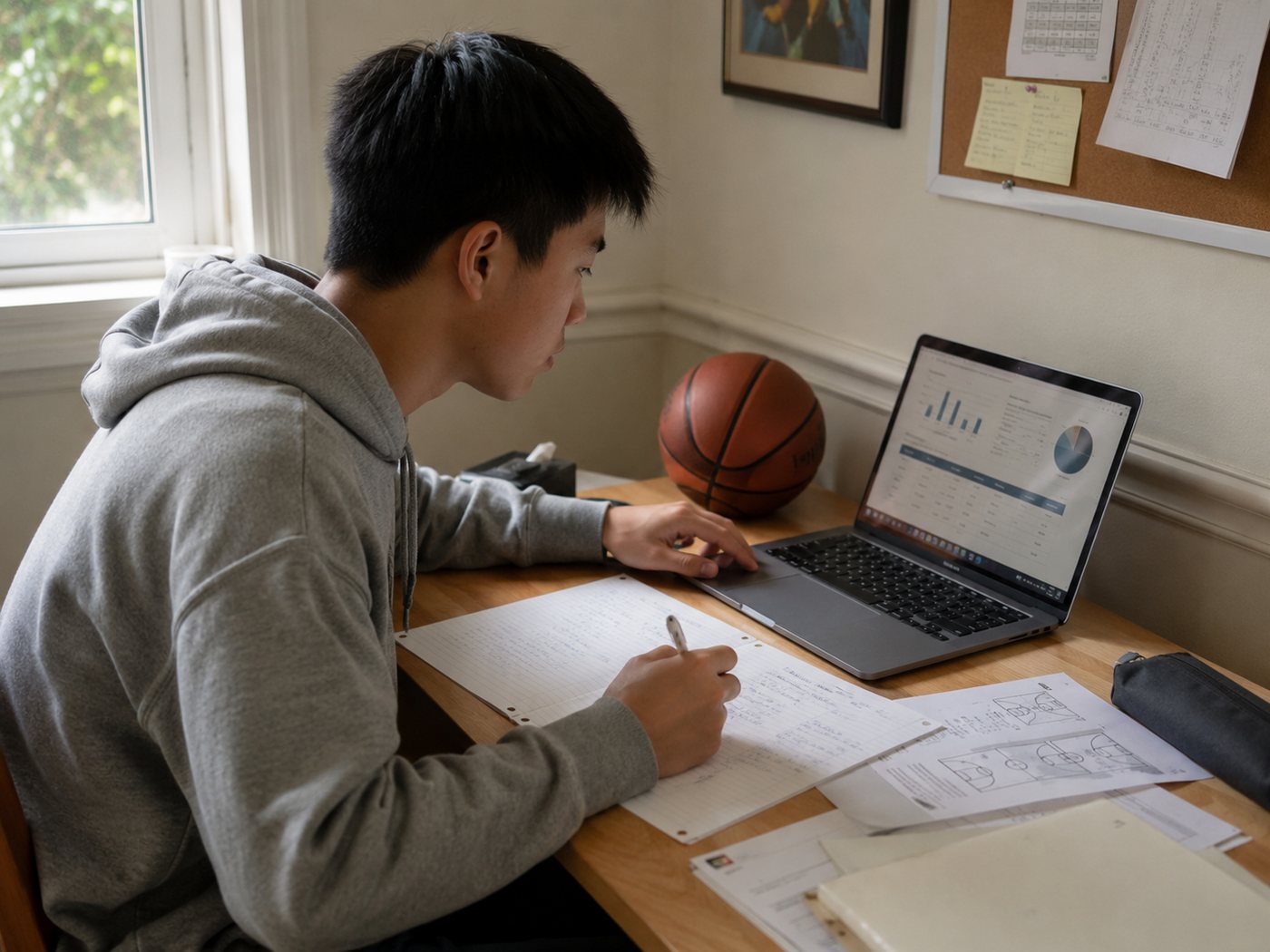
That question became the research. The student collected game data, weighed which variables to use, and built machine-learning models to predict wins and losses. Comparing the models' performance and analyzing the results shaped the work into a study, then a finished paper, which was published in a journal.
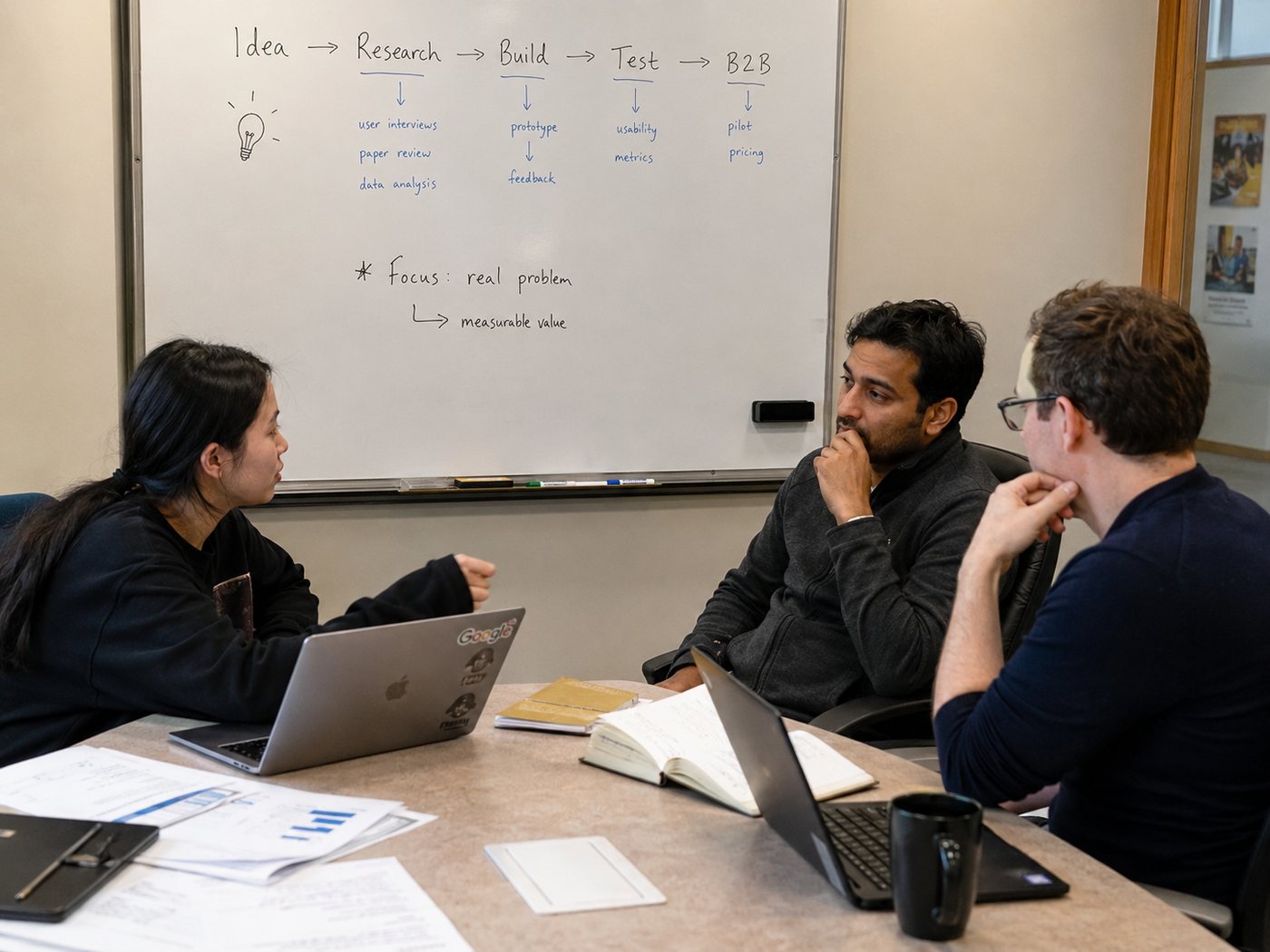
In the past, the program might have ended there. Instead, the finished paper raised a new question: what if real people could use this algorithm? So the student built a website, and the website raised another question: does any company actually need this? The student and CRI are now working out whether it could be offered as a B2B service to sports businesses and companies that work with data.