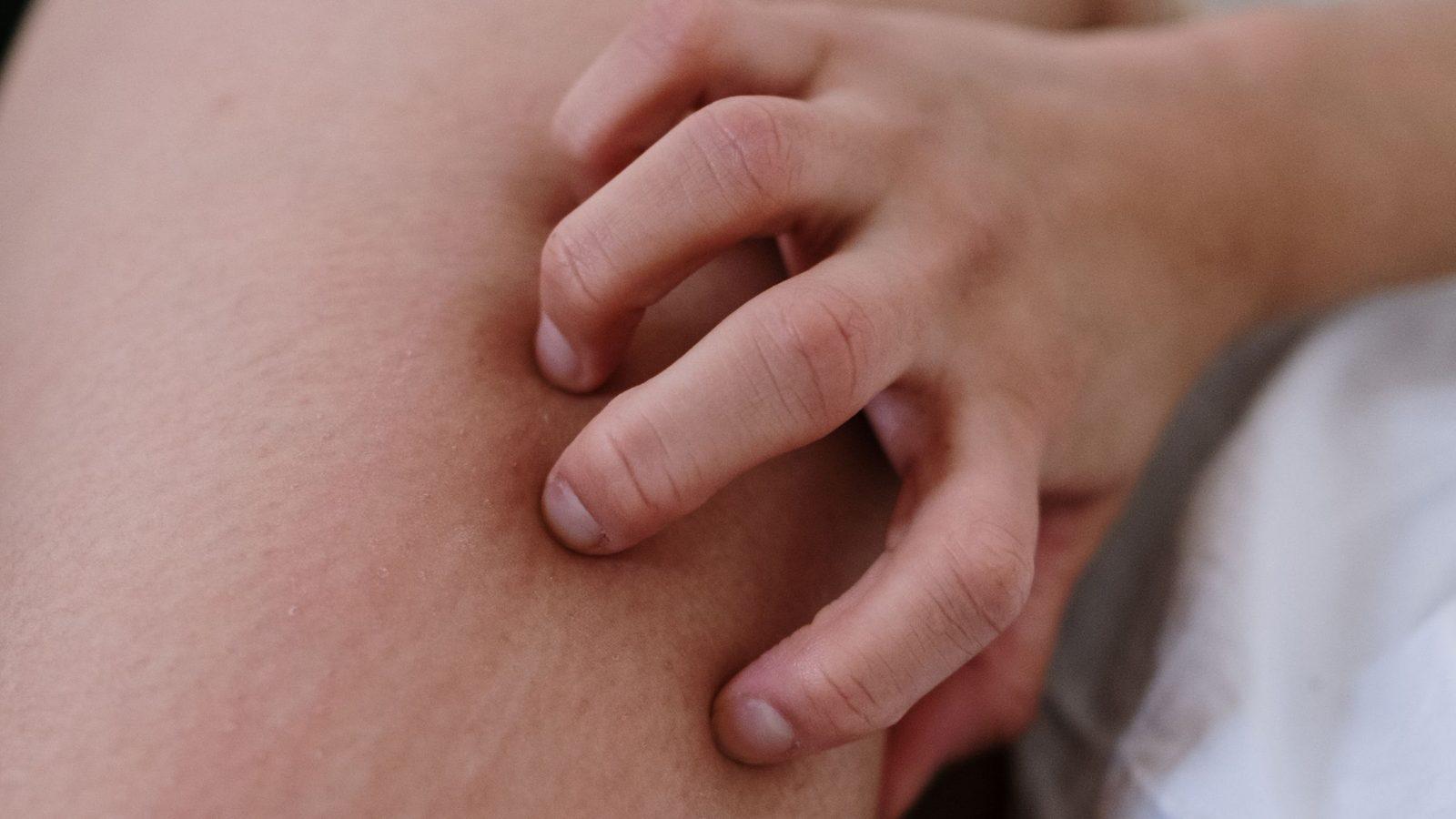
"I've had eczema since I was little." Plenty of students say that line the way they'd mention their shoe size. The cream lives in your bag, and the bad weeks arrive every winter. Heard another way, it describes a condition whose cause researchers still can't name, and whose targeted antibody treatment has only existed in the United States since 2017. Here's what that research looks like, and which part you can start tonight.
Why a cream that works for a week is a research question
The medical name for the common form of eczema is atopic dermatitis. The US National Institute of Arthritis and Musculoskeletal and Skin Diseases (NIAMS) describes a long-lasting disease that usually starts in infancy or childhood, with itching that can be severe and a pattern of flares, when the skin gets worse, and remissions, when it clears.
Your moisturizer and your steroid cream work on the surface, and the surface really is part of the story. NIAMS says nobody knows the cause, then describes a loop: a weakened protective layer lets moisture escape, dryness brings damage and inflammation, and inflammation triggers the itch that makes you scratch, which damages the skin again. Genes, the environment and the immune system all feed into those barrier changes, and the immune system, NIAMS says, sometimes becomes "confused and overactive".
So the slogan that eczema isn't dry skin but your immune system is too tidy: the two hand the problem back and forth, and a cream doesn't reach the immune signals that keep a flare going. Which signal keeps the immune system switched on, and can you block that one without switching off the rest?
Find the signal, then block it
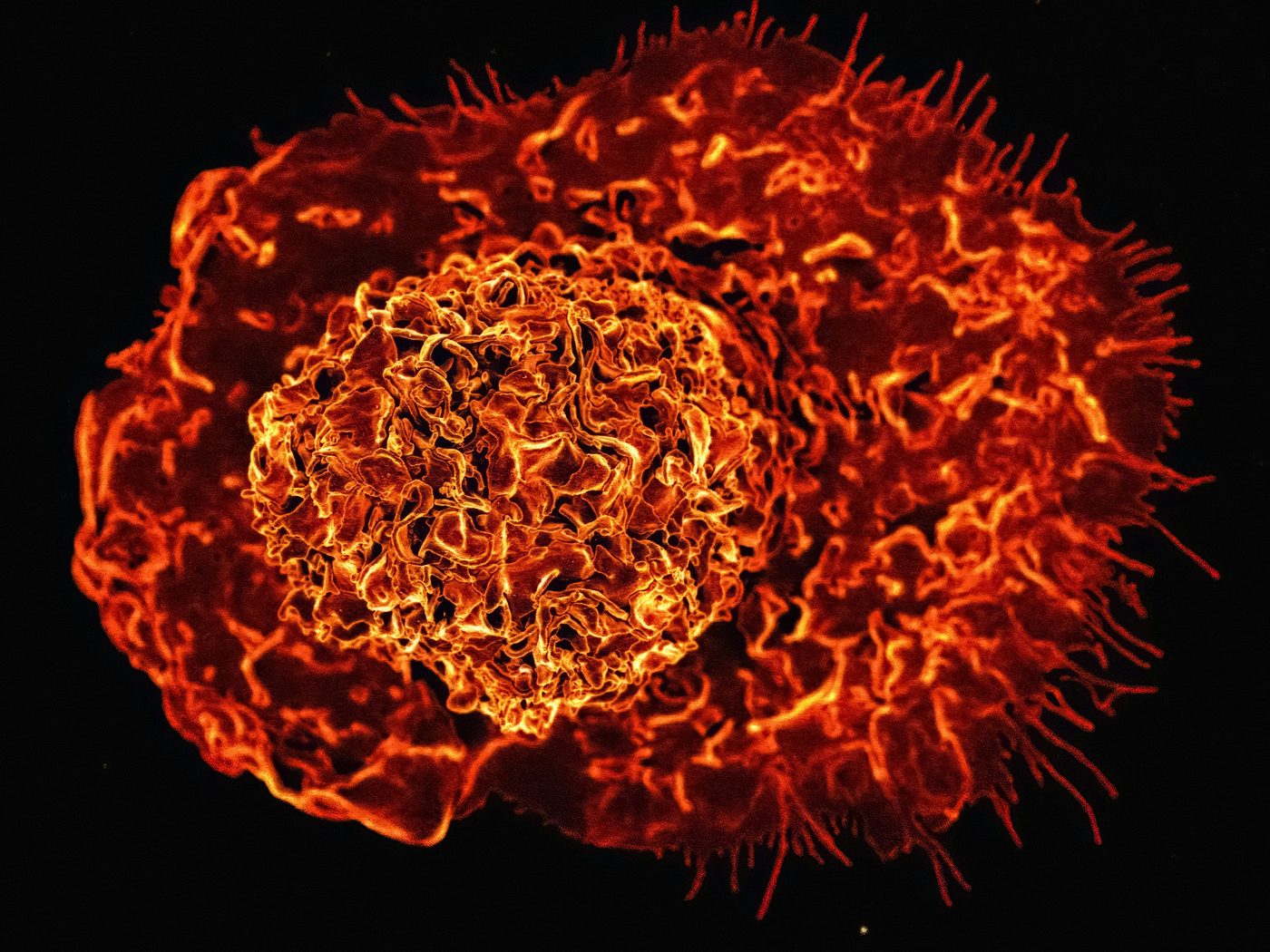
Modern drug discovery mostly follows one pattern: you name a messenger molecule you think drives the disease, find the protein on the cell it plugs into, and build something that gets in the way, then test whether that changes anything, first in cells, later in people. The useful part for you is the paper trail: protein structures sit in a free public database, and drug labels spell out mechanisms and trial results.