"My grandfather never talks about the war." Many families have someone like that, and maybe yours does too. You ask a question at dinner, and he changes the subject. Every time. After a while you stop asking, and the story starts to feel lost forever.
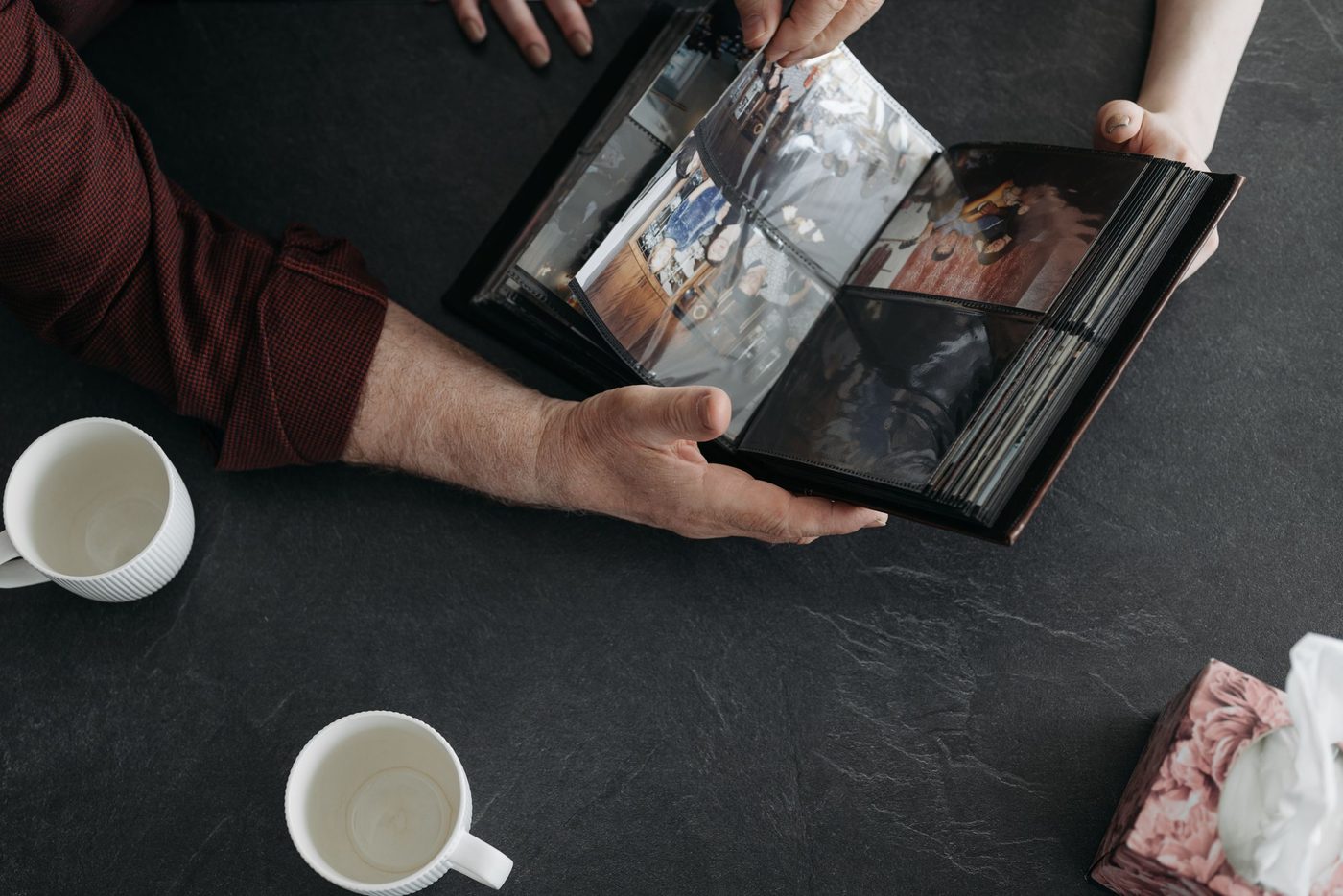
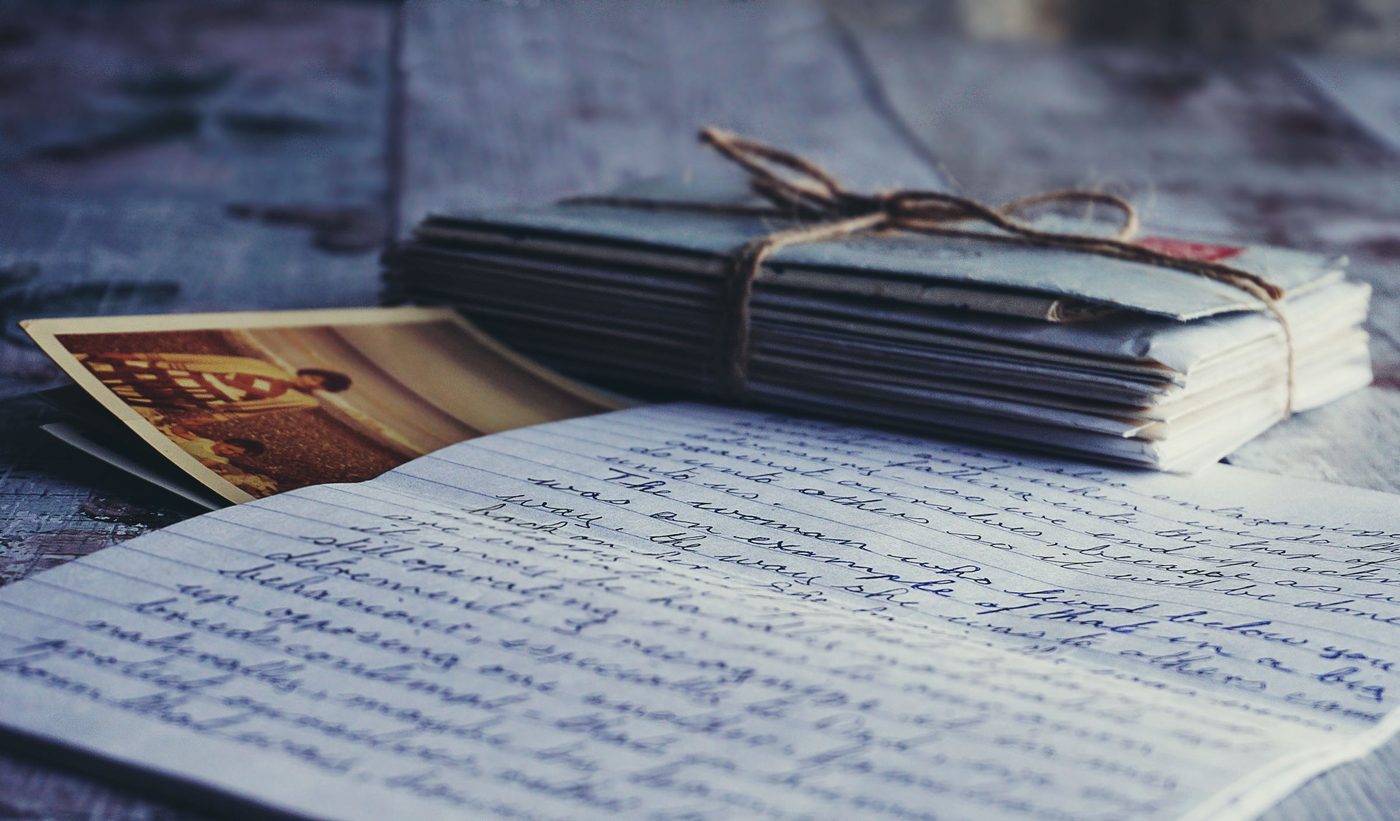
Usually it isn't lost. It's in pieces: a photo in a drawer, a letter, a place name he mentioned once, a date on an old document. Historians have a method for exactly this, and you can use it too.
What a family silence means to a historian
Official war records mostly track armies, units and government decisions, not what one ordinary person went through. Much of that was never written down, so the people who lived it are often the only source.
Historians collect those memories through oral history: recording a person's spoken account of the past as a historical source. The Oral History Association, a professional body for people who do this work, notes that oral history relies on memory, so what people recall is filtered through the way their lives and surroundings have changed.
So an interview isn't the final answer. It's one source, and you check it like any other. You can ask what happened, and also how the story changed over time, or why parts of it were never told.
How historians check a remembered story
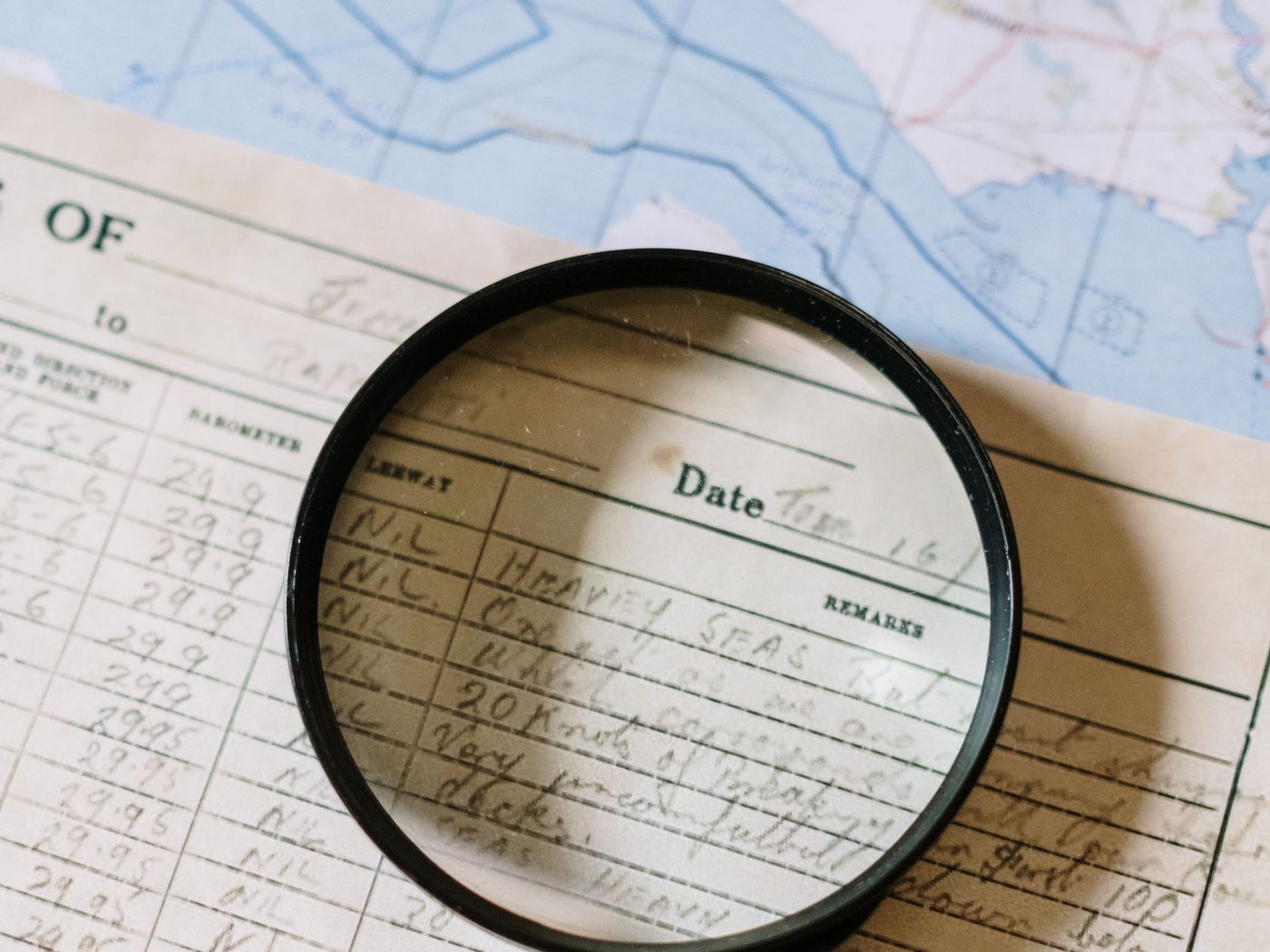
The work has two parts. First, collect every piece you can find: interviews, photos, letters, diaries and official documents. Then cross-check them, which historians call corroboration: test each claim against a second, independent source.
In practice, break a story into small claims. "He was drafted in the spring" is a claim with a date. "His unit was near the river" is a claim with a place. For each one, look for an independent record and mark it as a match, a conflict, or "no record found." The Oral History Association's best practices ask interviewers to verify information presented as fact when possible and to place each account in its historical context.