"It was published in an SCIE journal." "It's indexed in Scopus, so you can trust it." Spend any time around researchers and you will hear lines like these, usually said as if everyone already knows what they mean. But what is SCIE, exactly, and why does it carry so much weight?
What "internationally recognized" really means
An internationally recognized journal is not simply a famous one. The term refers to a quality standard that researchers worldwide share, a way of telling scientifically vetted work from the rest. Where a paper appears becomes shorthand for how far it can be trusted. That is why graduate admissions committees, faculty hiring panels and scholarship reviewers so often start with the same question: which journal published it?
Many organizations evaluate journals, but two are recognized worldwide: Web of Science, run by Clarivate, and Scopus, built by Elsevier. Both assess enormous numbers of journals and papers and express their influence and credibility as numbers. Together they have become the common language for judging whether research can be trusted, so if you want to do good research, knowing how they work is a sensible place to start.
Citations: the currency of journal quality
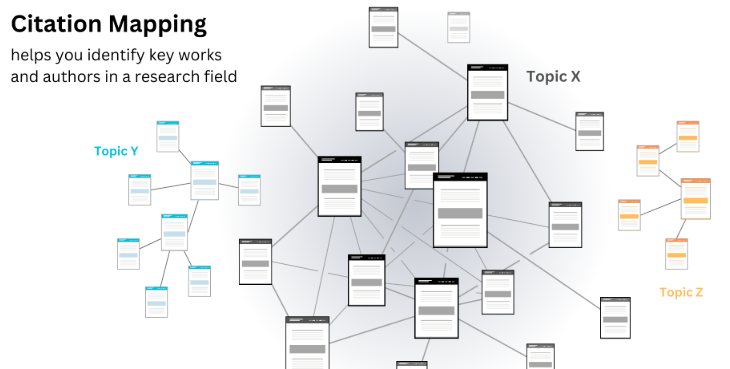
The basic test of a good journal is simpler than it sounds: how often other researchers cite the papers it publishes. A frequently cited paper is one that other studies keep building on, so each citation works like a vote of confidence from the research community.
Several metrics turn citation data into a measure of a journal's standing. The best known is the Impact Factor, the average number of times a journal's recent papers are cited. An Impact Factor of 10 means that each of those papers was cited about 10 times on average, and a higher number generally signals greater influence. CiteScore, SJR and SNIP calculate influence from the same citation data in slightly different ways. Journals are also ranked into quartiles within their field, from Q1 to Q4. A Q1 journal sits in the top 25% of its discipline, where the field's most influential work tends to appear.
These numbers are more than statistics. They are a shared vocabulary for research quality, which is why professors, research institutes, university evaluators and scholarship committees treat a phrase like "SCIE Q1 journal" almost as a certificate. Claiming you did good research is one thing; showing that a strong journal published it is far more persuasive. Our guide , on the , walks through how each of these numbers is calculated.